
Florida may be known for sunshine and warm weather, but residents in Northwest Florida know that winter can bring surprising cold snaps. Overnight freezes, frost, and sudden temperature drops can stress even the healthiest lawns – especially popular warm-season grasses like St. Augustine, Zoysia, Centipede, and Bermuda.
At Brock Lawn & Pest Control, we help homeowners throughout the Florida Panhandle – including Panama City, Panama City Beach, Destin, Marianna, Pensacola, and surrounding counties – protect their lawns year-round. Here’s what you need to know when the temperature dips.
How Cold Snaps Affect Florida Lawns
Florida lawns aren’t built for freezing temperatures. Our warm-season grasses grow beautifully during spring and summer but become more vulnerable in late fall and winter. Here’s what happens during a freeze:
-
Grass Enters Dormancy
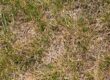
During cold snaps (usually below 50°F), warm-season grasses naturally slow down and shift into a dormant state. This can cause:
- Brown or tan patches
- Slower growth
- A “crunchy” texture underfoot
Dormancy is normal but a freeze can intensify the discoloration.
-
Frost Damage to Grass Blades
When frost forms on your lawn, the blades freeze. Walking on frosted grass can crack the blades, causing visible footprints and long-term damage. This stress weakens the lawn and makes it more vulnerable to weeds and disease come spring.
-
Root Stress
A hard freeze can cause damage beneath the surface, especially if your lawn is already stressed by drought, pests, or improper irrigation. Shallow roots = more freeze damage.
-
Increased Potential for Lawn Diseases
Cold, wet conditions create the perfect environment for winter lawn diseases like:
- Brown patch fungus
- Dollar spot
- Leaf spot diseases
These typically appear after extended periods of cool moisture, which NWFL gets plenty of in December–February.
How to Protect Your Florida Lawn From Cold Weather
You can’t control the weather, but you can help your lawn survive winter freezes with minimal damage.
1. Reduce Watering Before Cold Fronts
Moist soil can help protect roots, but watering right before a freeze is a mistake. Water in the early morning if needed – never in the evening.
2. Avoid Nitrogen applications Late in the Season
Applying nitrogen-based fertilizer too close to winter encourages new growth right before temperatures drop. New growth = easier freeze damage.
Instead, let our expert technicians apply the correct amounts of Potash to help strengthen the root system and prepare your lawn for new spring growth!
Brock’s seasonal programs make sure fertilization is timed correctly.
3. Avoid Walking on Frosted Grass
Walking on frozen turf blades crushes them and causes long-lasting injury. Let the sun melt the frost before stepping outside.
4. Don’t Mow During a Cold Snap
Cold weather stresses grass — cutting it too short can make your lawn even more vulnerable. Keep your mower blades higher in winter.
5. Protect Sensitive Areas During Hard Freezes
If a hard freeze is forecasted, you can lightly cover vulnerable areas with:
- Frost cloth
- Lightweight sheets
- Lawn blankets
Avoid plastic — it traps moisture and can increase damage.
6. Keep Leaves and Debris Off Your Lawn
Debris traps moisture, blocks sunlight, and encourages fungus — all things you don’t want during cold weather.
7. Get Ahead of Weeds Early
Weeds thrive when your grass is stressed from the cold. Brock’s winter treatments help prevent early weed germination and protect your spring lawn.
How Brock’s Lawn Care Program Helps Protect Your Lawn in Winter
Cold snaps are unpredictable, but your lawn doesn’t have to suffer. Our technicians help homeowners prepare and recover from winter stress through:
- Seasonal fertilization timed for NWFL weather
- Pre-emergent weed control
- Disease monitoring and treatment
- Pest prevention (cold-stressed lawns invite pests!)
- Winter irrigation guidance
- Professional lawn assessments after freezes
We know how Bay, Gulf, Jackson, Washington, South Walton, Holmes, and Calhoun counties differ in soil type, elevation, and coastal exposure – meaning your lawn gets exactly what it needs.
Spring Recovery Starts Now
The steps you take in winter directly impact how your lawn looks in spring. With Brock Lawn & Pest Control on your side, you can:
- Minimize freeze damage
- Protect roots
- Reduce winter weeds
- Encourage greener, healthier growth once temperatures warm
Ready for year-round lawn protection? Contact Brock Lawn & Pest Control today for expert winter lawn care and personalized lawn evaluations.